Reflections on the Privileges of Being Human
Long ago, a colleague bitterly shared a story about her young son expressing a burning desire to be a kitty or a dog instead of a human.
“That’s infantilism,” she concluded indignantly.
At that time, as a young mother, I nodded in agreement, suppressing the fleeting thought that, honestly, I too would prefer to be an independent kitty rather than carry the burden of human problems.
Years later, I unexpectedly heard a similar statement about kitties from my daughter. Without much thought, I repeated the memorable phrase from my older and more experienced colleague: “That’s infantilism, dear.”
Only decades later, after thoroughly digging into my subconscious, did I finally understand what our children were really trying to say.
Kitties Do What They Want
They play when they want. When they don’t want to, they just sit and contemplate. They go for walks if they feel like it. If not, they sleep. If they’re in the mood, they’ll please their owner by giving a paw. If not, they won’t — and might even scratch your hand.

That’s the thing about kitties: they’re hard to train, yet have the reputation of being incredibly smart. A paradox.
Kitties Are Picky Eaters
They rarely eat whatever they’re given. They’ll pick the best of what’s available — and they love variety.
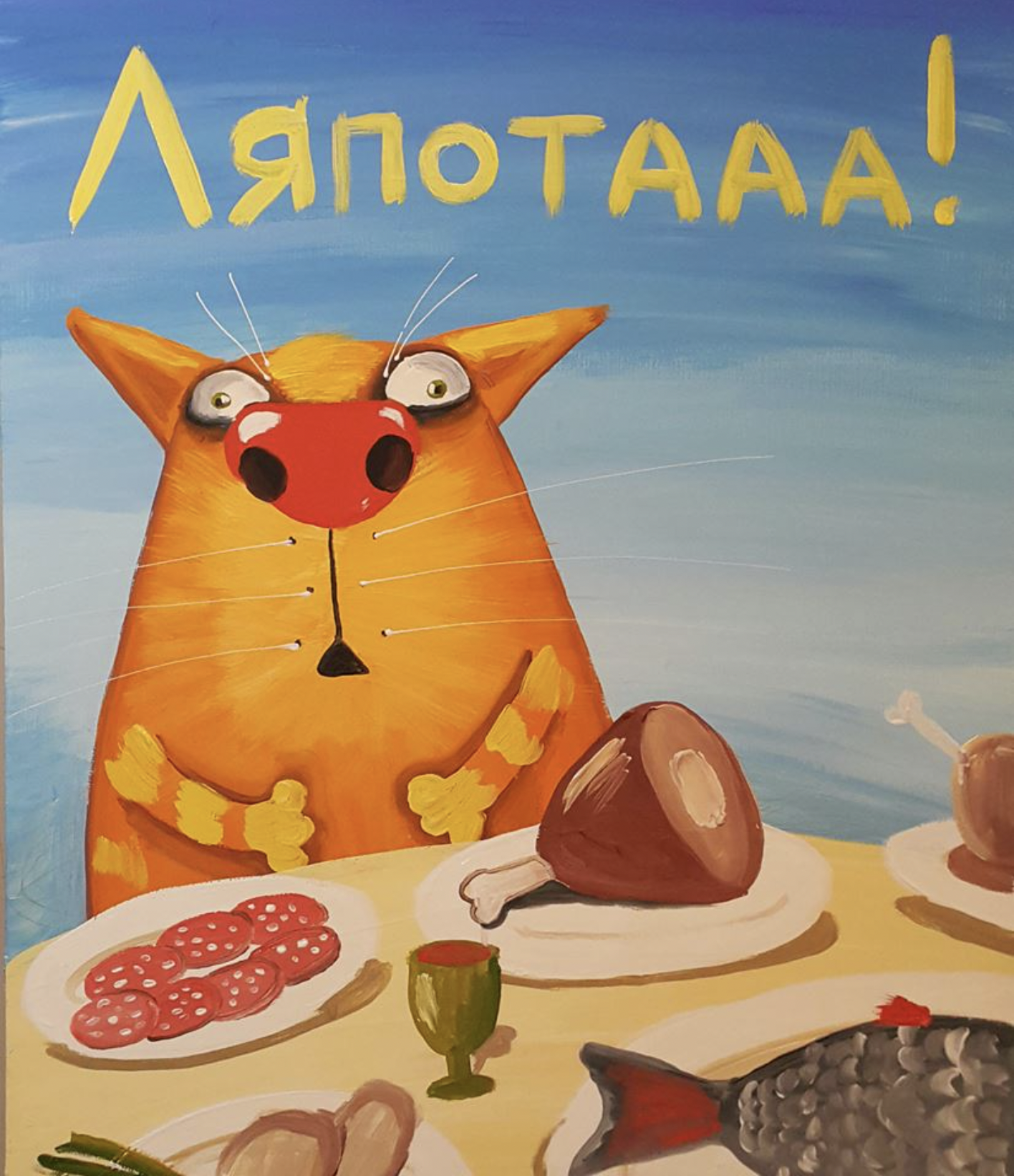
After serious health issues with her kitty, my daughter switched him to natural food — chicken and vegetables. She cooked a big batch, divided it into portions, and stored them in the freezer.
The kitty was thrilled. At first. But after a while, he flat-out refused the “natural product” and demanded a more varied menu.
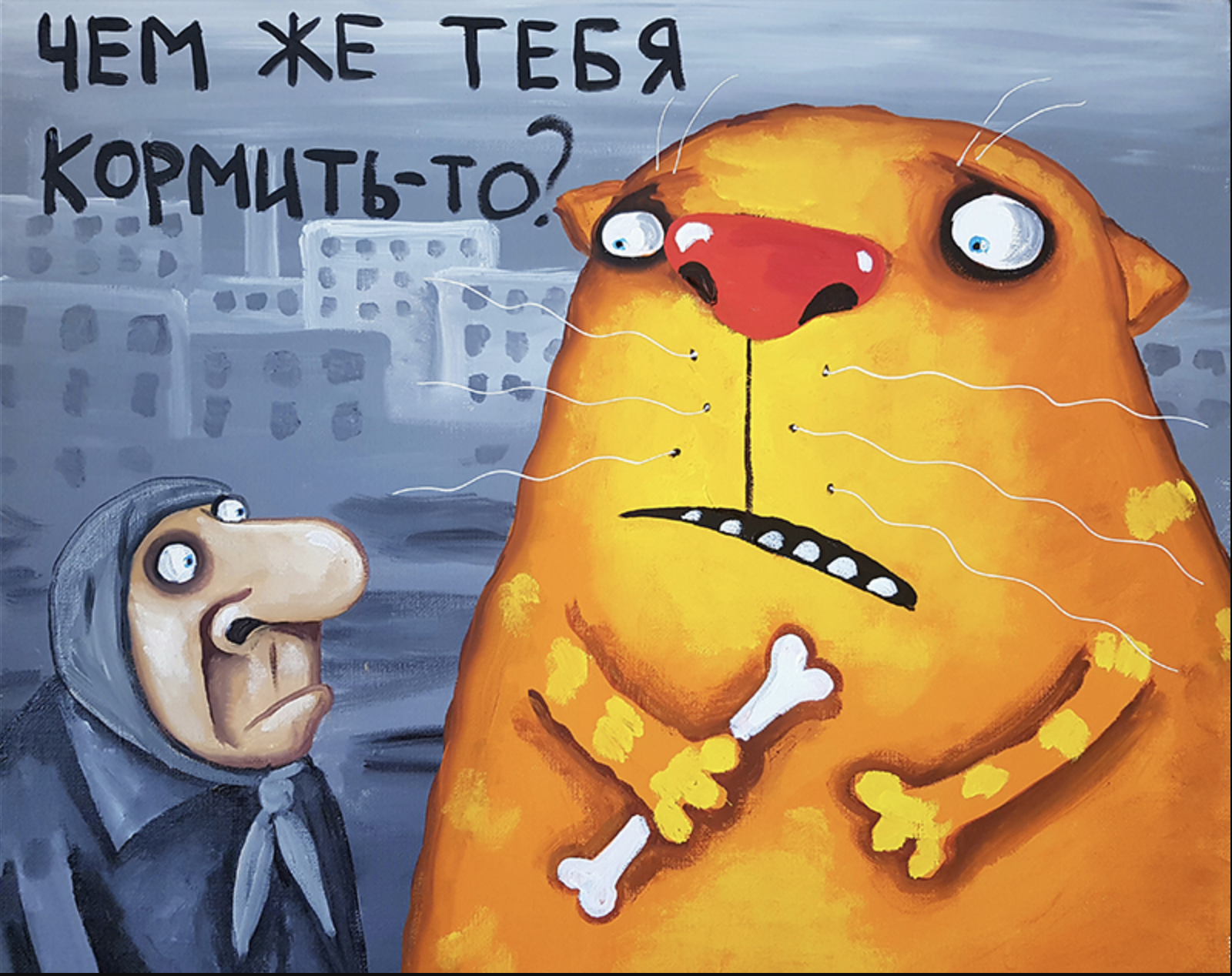
Starving themselves to blackmail their humans isn’t unusual for kitties. A friend had the same story: one day she treated her cat to a can of premium food. From that moment on, he would only demand it, turning his cute nose away from everything else.
Kitties Don’t Care About Rules
Back in my student years, I got myself a kitty in my tiny dorm room. A red, fluffy, incredibly beautiful one.
My little queen hated dorm life. She protested loudly — soiling every corner, adding mess and stench to my already difficult existence in the turbulent ’90s.
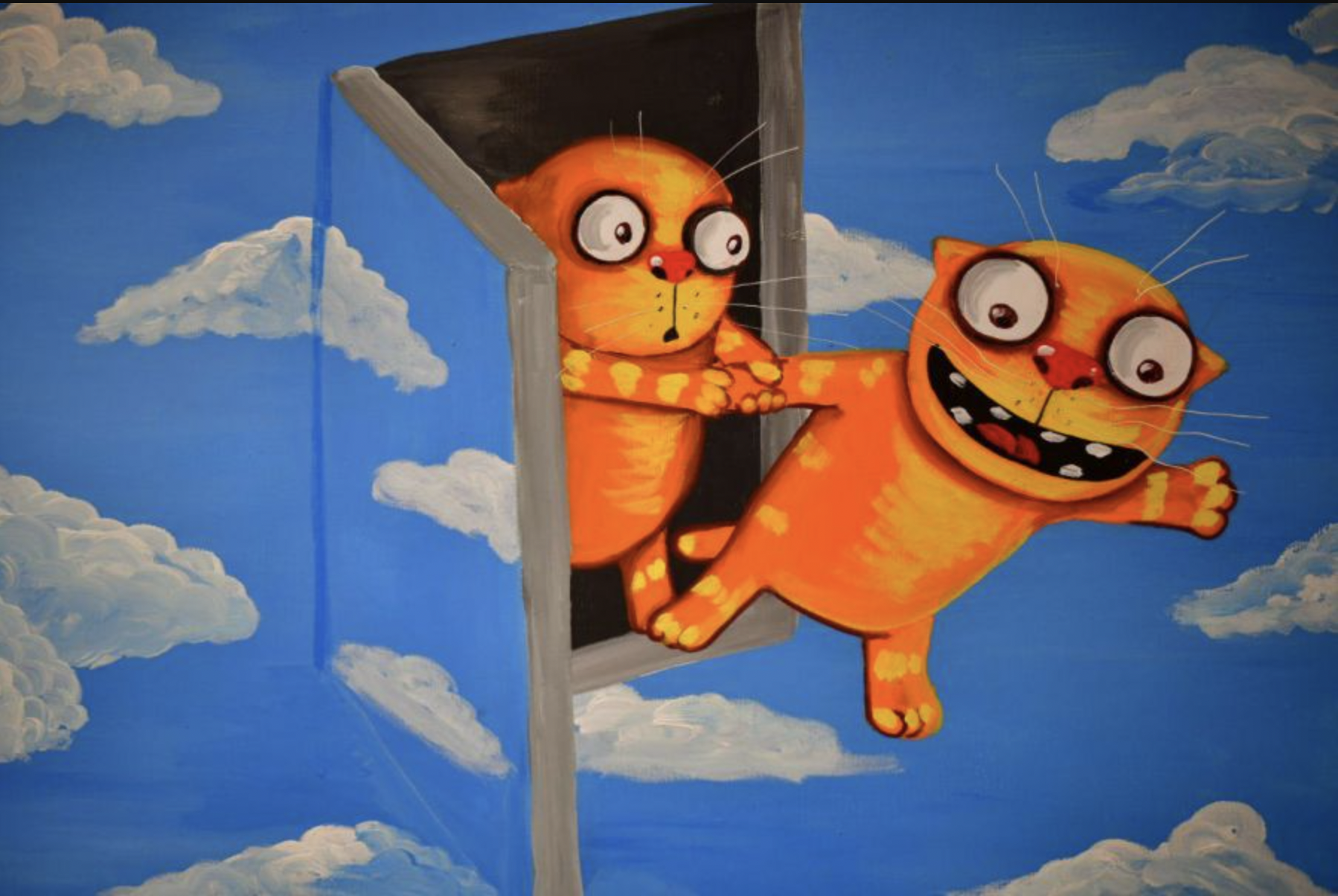
Worse, she constantly tried to escape. One day, gathering all her strength in her little paws, she darted through a slightly open balcony door and headed straight for the railing. I miraculously caught her mid-air (!) on the 11th floor. After that, I took the little rascal to my parents’ village.
There, in a private house, she blossomed and found her feline happiness. And, to my amazement, she became the cleanest and smartest kitty my parents had ever had. She even graciously gave my father a paw — as if on command. I’m sure it was purely out of love.
Another one of our cats felt cramped even in a two-room apartment. He protested by peeing in shoes, on my bags, and in the children’s toy box.


When our patience finally ran out, he too went to my parents’ house — where he suddenly turned into a model citizen: clean, affectionate, obedient.
Sometimes Kitties Choose for Themselves
My sister’s cat, meanwhile, lived peacefully in a city apartment and had no complaints. Until one day, she was taken along to visit our parents’ house. On the day of departure, she suddenly vanished. Everyone searched everywhere, thoroughly, but in the end, my sister’s family had to leave without her.
The next day, the little cat reappeared — and stayed forever in the spacious country home.
No changes in her character were noted. She had always been a good kitty. She just didn’t miss her chance for a better life.
Kitties Feel No Guilt
They don’t do self-blame. At all. Do you think any of the cats mentioned above felt bad about treating their loving humans that way? Not a chance.

They don’t dwell on guilt for more than a couple of seconds. They don’t hide in a corner intending to stay there forever. Imagine if they did:
“They loved me, they fed me… and I! I was such a bad kitty. From now on I’ll only eat mice and forbid anyone to pet me.”
Absurd? Exactly.
Well
Most people, on the other hand, are drowning in a learned sense of guilt. I know from experience — I’ve dug up plenty of it in my own subconscious.
We’re also trained from childhood to obediently “give a paw” to anyone and everyone — or rather, to do what others want, not what we want. Sometimes for a “treat,” but more often for nothing at all, out of some mythical sense of duty that cats completely lack.
Under this weight of negativity, people don’t even dare dream of a better life — let alone act toward it. After all, what if you “pee in someone’s toy box”? You might get shipped off to some other “house” — and it probably won’t be spacious or comfortable.
Humans — Masters of Their Own Lives?
The younger generation is actively questioning this very idea. That’s why they openly declare a wish to be cats or other animals. Some even transform into them and loudly try to prove something to the world.
But honestly — I don’t get why you’d glue on ears and march in protests when you can quietly return to your natural wholeness without all the fuss.
Me, for example — I’m a cat in human form. Slim and flexible. I don’t eat just anything. I’ve said goodbye to guilt. I don’t fall for manipulation. I don’t “give a paw.” I live where I want. I do what I want. I can growl. I can purr. And as for the opinions of haters — I poop on them.

Afterword
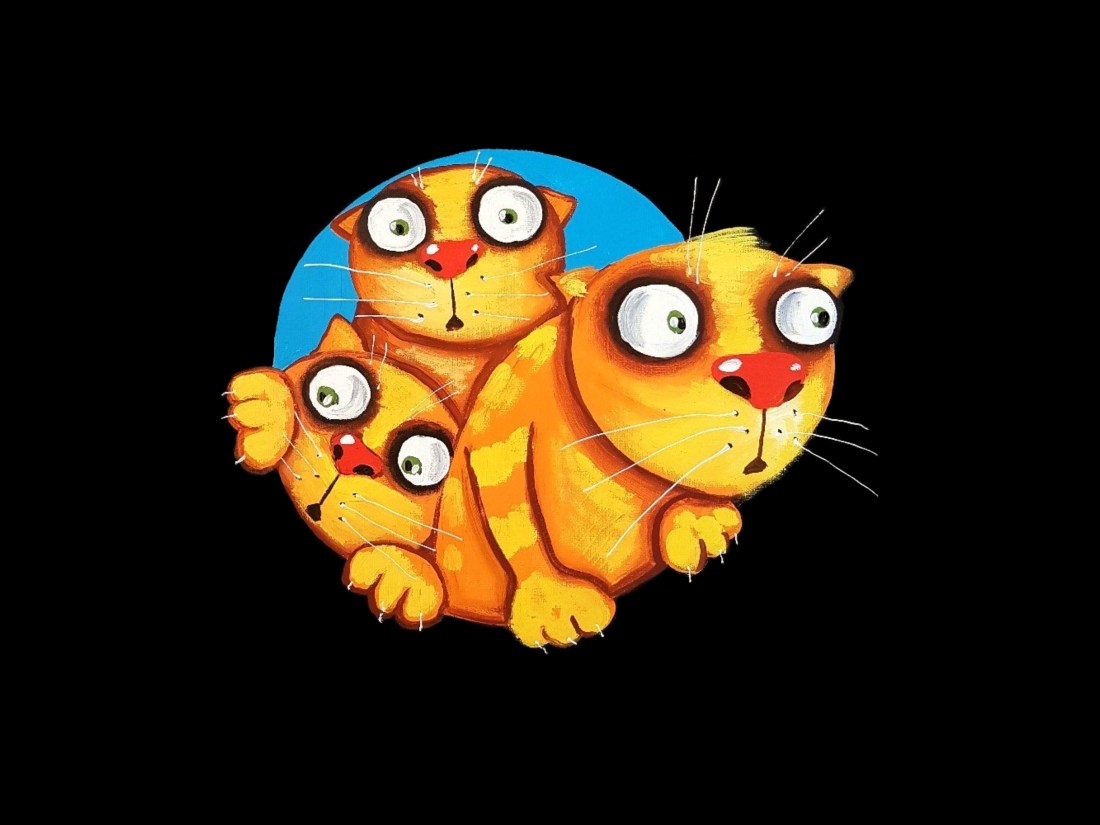
For this article, I used paintings by Russian artist Vasya Lozhkin.
Vasya, you’re a Genius with a capital G! Thank you for the positivity and inspiration! And by the way, if anyone ever wants to treat me to something beyond coffee — Vasya Lozhkin’s masterpieces make the best gift. You can never have too many of his cats.
The original Russian version of this article was published on December 18, 2022.
Powered by coffee ☕
Every drop keeps the stories flowing.
